Introduction
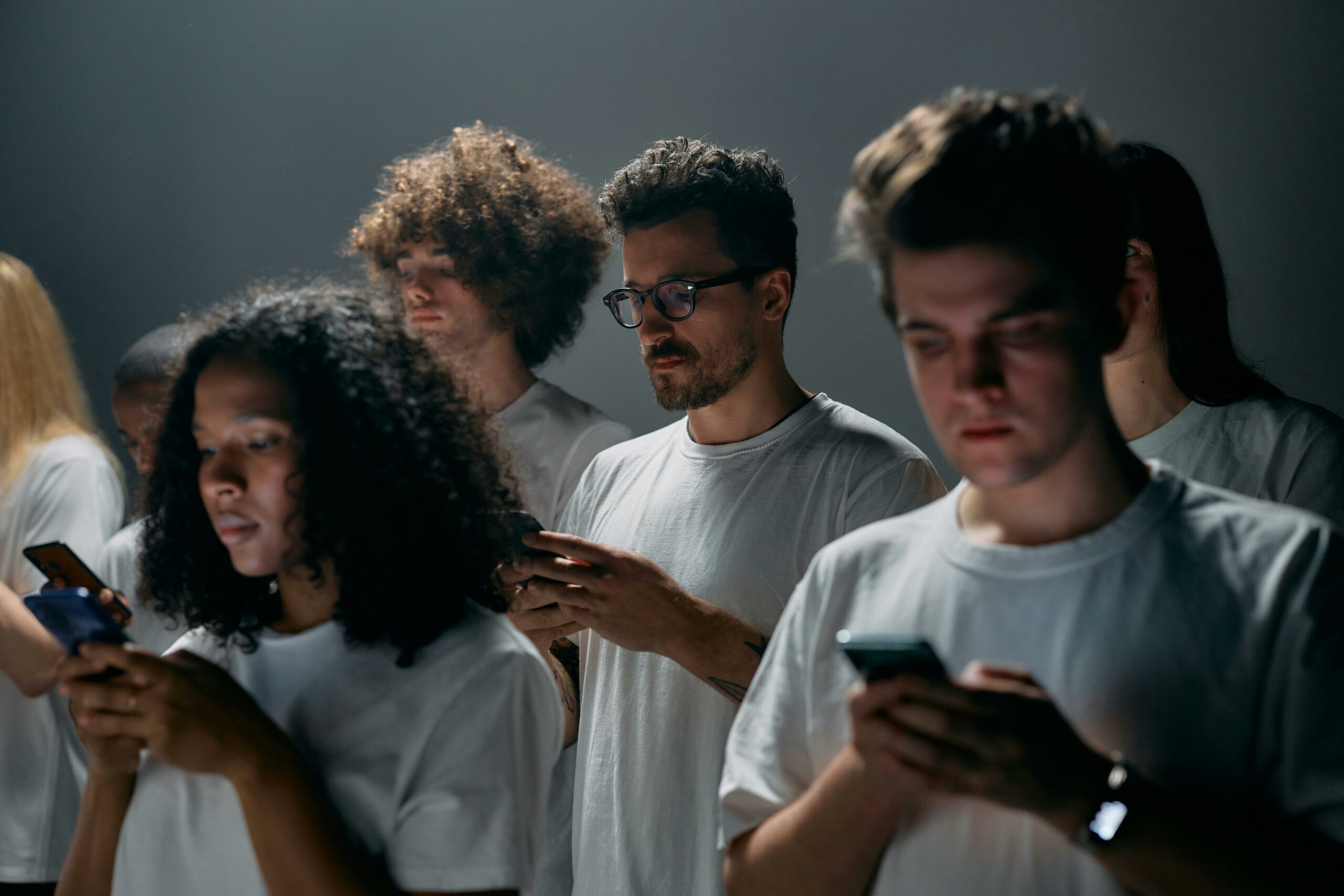
I would like to start this essay by sharing the following statistic, a powerful reminder that social media has become the nexus of our dos nos jours: “In 2021, 4.3 billion people—more than half of the world population—had a social media account, and the average user spent around two and a half hours per day on social media platforms.” (Braghieri et al.).
The purpose of this essay is to highlight the consequences of social media in today’s world and to analyse the role that it plays in shaping the future of our society, so that a discussion may take place on whether or not social media has had an overall positive or negative effect on society.
“Social media are forms of digital communication through which users create online communities to share information, ideas, personal messages, and other content.” (American Psychological Association). As we will see, not all of the change that is being advanced by social media is positive and constructive, so the conversation requires a delicate sense of nuance and understanding.
This essay will be partitioned into the various aspects of social media that contribute to its defence or persecution as a harmful entity of the 21st century. This includes: the state of mental health and its correlation and/or causation with social media platforms, the role of social media in advocating for social change, the controversy that has sprung from misinformation and polarisation, and finally the crisis of identity for individuals extensively interacting with social media.
All of these talking points are deeply intertwined with one another, as each topic has some cause and effect to the others. For example, mental health deterioration can be triggered by the delusion that occurs in an echo chamber, which may lead to struggling to identify with any groups outside of the alienated space. All of these aspects of social media must therefore be carefully considered before there can be any verifiable conclusion on the extent to which social media touches the advancement of modern life.
Social Media and Mental Health
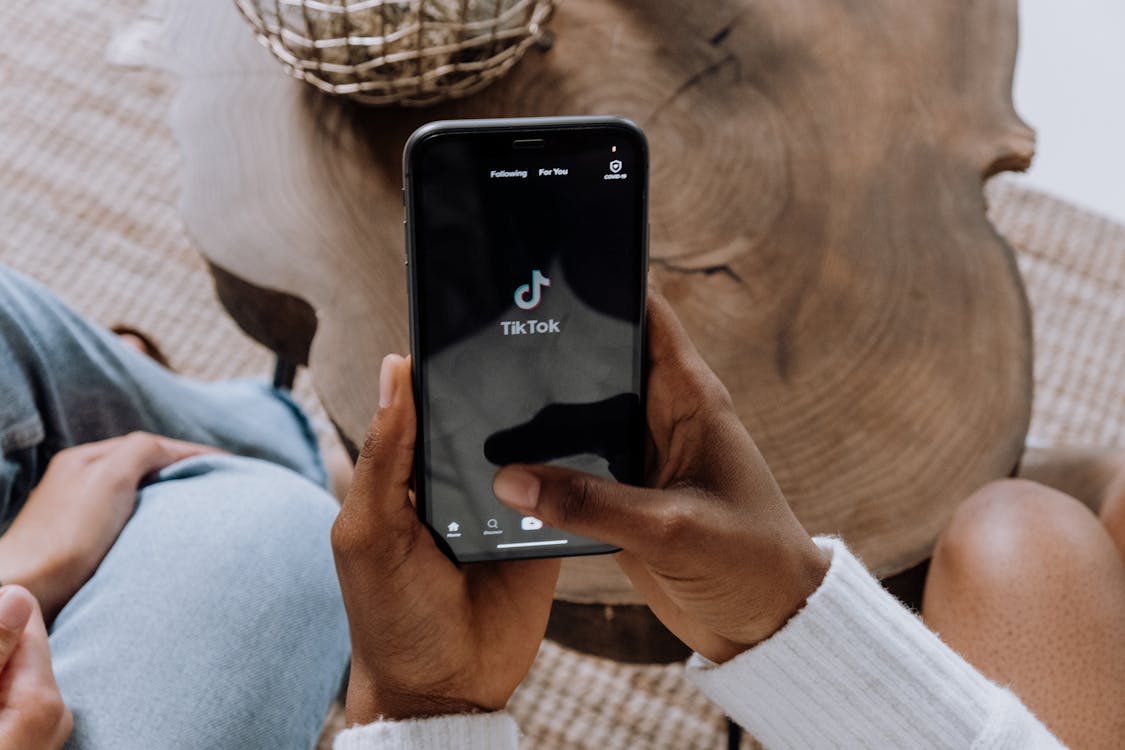
“Oh, and our phones—Gen Z averages an unfathomable 9 hours of screen time per day—have ruined our attention spans to the point where we can no longer read a book, let alone sit quietly with nothing but our thoughts.” (Shannon) We are surrounded by social media in every waking moment, from our devices to our conversations. If we’re not on TikTok, we’re talking to our friends about TikTok trends that we’re too old to laugh at (but do anyway), or pondering why somebody is taking an hour to reply to their Snapchat messages. Not pondering- obsessing, anxiously overthinking about what we have done to upset this person or whether they’ve been kidnapped or hit by a truck. (Kato et al.)
Braghieri et al conclude in their study that social media is at least “partly responsible for the recent deterioration in mental health among teenagers and young adults.” I have personally heard many of my friends describe social media as a “disease”, and attempt multiple times a year to detach from apps like Instagram, Snapchat, and Tiktok, often to no avail. What is it about these apps that keep us hooked onto them in some toxic and draining “Stockholm Syndrome”-esque relationship? For one, it is almost impossible to navigate a friendship in 2024 without using social media. If you want to meet up, you use “Snap” or “Insta” to plan it. Even my class group chat is on Snapchat, forcing me to keep the app on my phone despite my hatred for the app.
We are locked into these platforms through a social contract. If you don’t reply to your friends by a certain time, something has gone wrong or they think you’re upset with them, and I am ashamed to say I have often been a victim of this mindset. The idea of “streaks” – a feature of many apps that tracks how many days in a row users have spoken with each other, promotes constant communication, often with no real substance to the conversations. How did we end up like this? This is not a good change for our society to any extent, and yet it appears that there will be no intervention for the younger generations who continue to outshine the previous years in screen time and social media consumption.

Jared Lanier’s Ten Arguments for Deleting Your Social Media Accounts remains an incredible read for its blunt dissection of our digital platforms. The reasons personally resonate with what many people I know have felt. It does “[make] what you say meaningless” and “make politics feel impossible” (Lanier), which I will speak about later in the misinformation and polarisation section.
In a Channel 4 TV interview, Lanier states that “when you use these new designs — social media, search, YouTube — when you see these things, you’re being observed constantly and algorithms are taking that information and changing what you see next.” This sentiment was echoed by Gerlitze and Helmond in their report on the “Like Economy” and how Facebook essentially fabricated the “like” button to become a tool for free labour for advertisers. (Gerlitz and Helmond)
One major consequence of this emphasis on likes is it creates a level of insecurity and social competition within social media platforms. Teenagers are constantly monitoring who views and likes the content that they put out onto the world. They are afraid of putting themselves out there, in fear of ridicule or little interaction, and it almost seems valid if you consider how casually toxic the internet has become.
Cyberbullying and discrimination have become normalised as part of internet culture, and the use of AI in targeting people with fake videos of themselves has led to gross invasions of privacy and rampant misogyny. (Burgess). Moreso, their expectations of the world are being skewered horrifically by beauty filters and fake “influencers” who promote their lifestyles – only the good parts of it, of course.
How do we even begin to rectify the changes that social media have made on our mental health? “We’re too far gone from the early 90s. We can’t put the internet back in the box or log off forever. Too much of our lives is irrevocably online, we’re all too self-aware, and a saccharine glaze of sincerity is too affected to feel real.” (Shannon) Online platforms thrive and benefit from the commodification of their users, and every act of positivity and change feels more like damage control than altering the atmosphere. It would require a collective global effort that is concentrated on tackling the plagues of social platforms, with sufficient funding and aid from many institutions. This unfortunately does not currently seem feasible in the current climate of internet culture.
Social Advocacy
In recent years, we have seen a surge in social activism perpetrated through online platforms such as Twitter/X, Instagram, and Tiktok. These platforms have been used to share social campaigns that raise awareness for issues such as racism, sexism, and genocide. This has also allowed a tide of marginalised voices to come forward and come forward with their positions.

One of the biggest instances of social media being used as a tool for social movements in the last decade has been the BLM (Black Lives Matter) movement, and the support it had received from around the world at its peak relevance. I use the past tense to refer to the movement specifically because I am speaking about the explosion of social media activity following the murder of George Floyd in 2020. “Within hours of Floyd’s death, Twitter witnessed a huge spike with the #BlackLivesMatter hashtag being used 47.8 million times from the 26th of May to the 7th of June 2020.” (Hughes) Social media was used to document the events and feelings of the global community on all sides of the debate. Protests and demonstrations were organised and live streamed online, including the usual aftermath of police brutality, and conspiracy theories and misinformation were flooding through the forums, a topic that will be discussed later.
What we learn from this internet phenomenon is that social media has an outstanding impact on modern journalism and erudition. The use of “fact check” technologies that were established by platforms afterwards increased the sentiment that platforms need to be regulated and protected for these kinds of moments in very contemporary history. Moreover, it became easier and more casual for users to share their political beliefs online, even discreetly. From direct posts, to likes and “retweets” or “reposts”, more and more users began to share their values and communicate directly or indirectly to their online circle.

Social media campaigns have also been effective in helping marginalized groups combat whatever social it is that they are fighting against through community and awareness. A prime example of this was the #MeToo movement in the 2010s, which was actually created in 2007 by Tarana Burke but was catapulted into popularity at the time. What was substantial about this movement was its impact not just online but in offline space, most notably in legislation and in legal consequence, with the most infamous example being the conviction and charge of Harvey Weinstein. (Frey) What this movement demonstrated was that social media did indeed matter when it came to actual real world issues and it could be used to help people.
The most notable example for demonstrating social media’s now undeniable involvement in social issues is its current role in the Palestinian genocide by Isreal. I have personally seen thousands of videos of Palestinians on social media begging for donations and awareness. It is beyond depressing. It is dystopian being on TikTok and going from funny videos to real live war footage and then back to sports clips in a matter of minutes. It is both a sign of my privilege and powerlessness. As Palestinian content creator Plestia Alaqad once said: “As a Palestinian living in Gaza, you don’t have a choice but to be a war journalist.”

What is more saddening is understanding that these apps rely on algorithms, and that these creators have to employ hashtags and beg for people to not mindlessly scroll past their videos so that they may receive some watchtime revenue from the app. Most people don’t even get those videos unless they search for it or continue to interact with them, which means that these people are literally being killed by the algorithm if they don’t appease it enough . “Other Palestinian creators continue to record with relentless dedication. Sometimes, they express despair over whether anyone is listening, or whether their reporting makes a difference.” (Kaur)
Another aspect of social media that has been revealed by the atrocities occurring in Palestine is the use of social media to share awareness on boycotts. Users will post on Instagram or TikTok advocating to stop purchasing products from companies such as Coca-Cola and McDonald’s. Groups such as the national committee of Palestinian-led Boycott, Divestment, and Sanctions (BDS) have become figureheads of these commercial attacks on Israel-supporting business, and it is clear that these boycotts are working. “The [McDonald’s] stock has lost nearly 11% of its value since the start of January, heavily underperforming the 15% gain in the broader S&P 500 index.” (Hetzner)

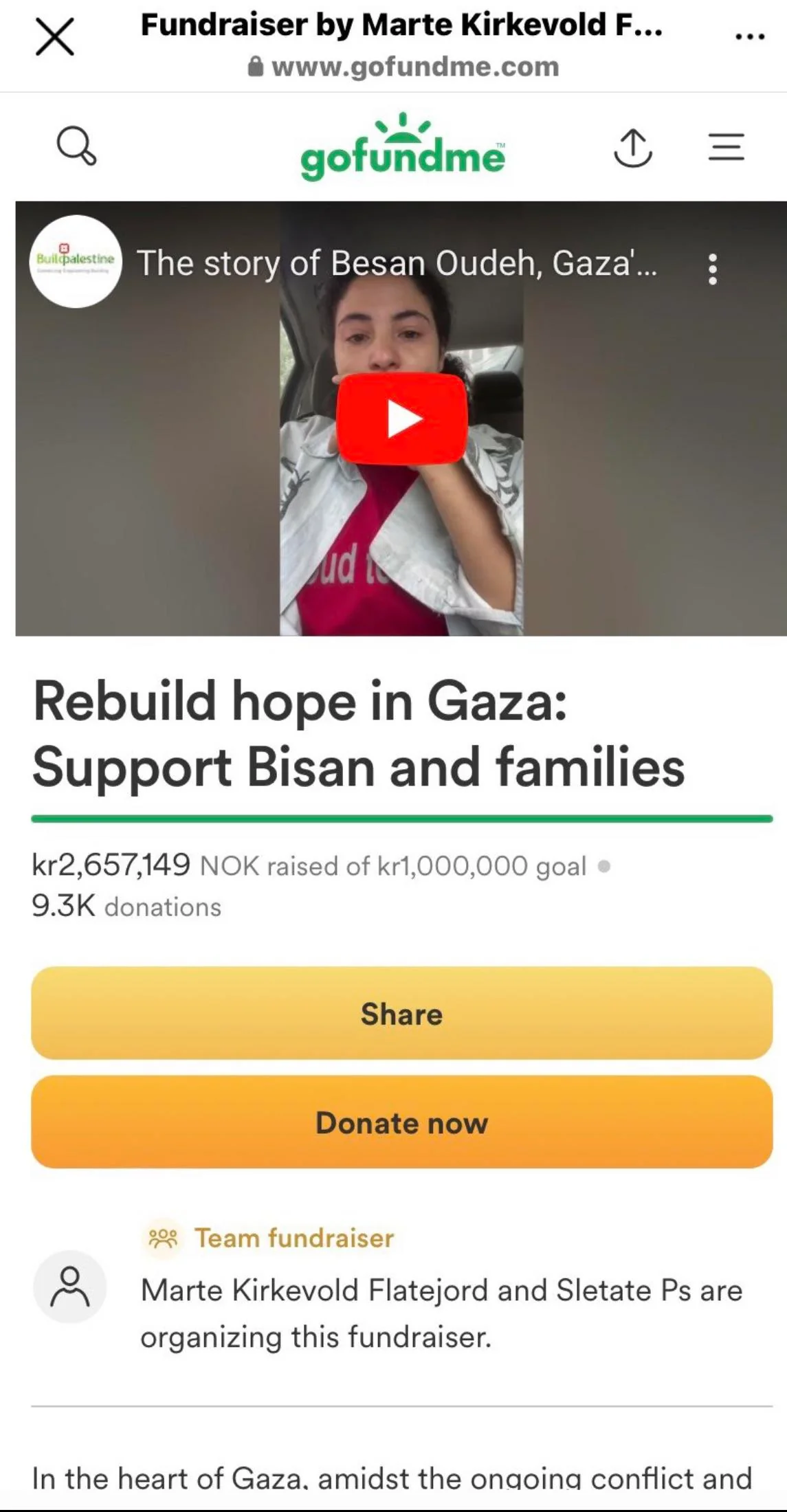
While social media has proven to be an effective weapon against social justice, it is not without its problems. “A common criticism levelled at social justice campaigns conducted on social media is that they encourage slacktivism: a kind of ‘lazy’ activism that requires very little personal commitment to a cause, for example, retweeting a viral hashtag. This can also be considered an act of virtue signalling, where social media users post to attain credit for speaking out in support of a cause.” (University of Sussex) These are significant issues as they dilute the cause that many people fight for. It is not enough to be active on social media, one must be diligent in offline spaces also, as that is where the greatest change can occur.
Polarisation and Misinformation
The 2024 U.S elections were quite controversial for many reasons, one of them being the surplus of misinformation on social media platforms. This is not a recent phenomenon online, but it is an ever growing plague in political spaces. Even with the aforementioned “fact checkers” that platforms now continue to develop, propaganda continues to spread into the branches of the digital world.
One of the densest areas for misinformation stems from the various “echo chambers” that occur online. “An echo chamber is an environment where a person only encounters information or opinions that reflect and reinforce their own. Echo chambers can create misinformation and distort a person’s perspective so they have difficulty considering opposing viewpoints and discussing complicated topics. They’re fueled in part by confirmation bias, which is the tendency to favor info that reinforces existing beliefs.” (GCF Global) These spaces can be arduous to identify, and continue to evolve with the increasing use of algorithmic content that shows users only what they interact with.

Another increasingly perturbing online phenomenon is Polarisation. “As a mind state, it essentially depicts resistance to an alternative worldview. This resistance manifests in solidifying an individual’s existing position or view, inhibiting social linkage with others perceived as holding opposing views, and often [negatively affects] the outgroup.” (Arora et al.) One can only imagine how easy it is to become polarised when operating in conjunction with an echo chamber.
One of the disturbing culminations of these two digital epidemics is the rise of incels, “men who are unable to engage in a sexual relationship with a woman and who experience significant distress and anger as a result.” (De Roos et al.) This dangerous subculture has become increasingly violent, and it is important for that reason to try and eliminate these ideologies and prevent them from spawning by teaching media literacy and having regulation in online spaces where it’s possible.

Online Identity Crises
One of the major changes that social media has played a vital role in is self-identity in the 21st century, due to the abstractness of the digital medium and the emerging cognitive dissonance between oneself and their online existence.
One of the most intuitive features of many social media platforms is the ability to create a personal “profile”. Users can express themselves in the way they can under the restrictions and guidelines of the application. This should allow for creative self-expression and a unique profile for everyone. However, because of aforementioned factors such as “the like economy”, cyberbullying, and the pursuit of online fame, social media profiles create a sense of narcissism and cognitive dissonance, where now we are forced to thoroughly perceive and analyse ourselves through how people online will see us. Strangers online will make judgments on our entire identities simply based on our Instagram profile, which means that is now the most important part of our platform. We are constantly trying to uphold our digital image.

More than that, it creates a sense of unreality to the persona. We cannot possibly show the full extent of ourselves to the world, so we often only show the best. But people are not their online identities.
Furthermore, the anonymity that the internet allows, while necessary, creates opportunity for maliciousness and makes it easier to enter the aforementioned echo chambers. For example, most people that join communities that discriminate against certain groups wouldn’t do so if that was public knowledge for everyone to see. That being said, it is necessary for there to be some anonymity for users who need to be protected, in the case of abuse survivors who wish to anonymously find support online.
We have also subscribed ourselves to digital tribes, “group[s] of people who share a common interest and for whom that interest results in common behaviour and values. These shared characteristics go beyond demographics because they cross age, gender and income boundaries and are about people’s choices and preferences.” (Tonic Digital) This boundary-drawing, while on its own is manageable, can curl into toxicity if “fandoms” feel the need to provoke or attack others for any particular reason.
Conclusion
What we have learned from this discourse is that social media has been proven to be one of the most dominant forces of change in modern society. From puppeting our mental health and philosophies, to testing our sense of social justice and challenging our information reception, and even being a variable at the core of our senses of self, social media is a universal constant of our life, an axiom which is admittedly terrifying. It is hard to determine if social media has had a net positive or negative effect on our world. It is simply too subjective, as it depends entirely on one’s experiences.
In relation to this truth, I refer to Donna Haraway’s “A Cyborg Manifesto”, a posthuman commentary which highlights our overreliance on technology, how that relates to social issues such as feminism, and how it has affected our sense of identity, all through her metaphor of the “cyborg”. She uses the cyborg as a symbol for a future where boundaries are fluid and identities are self made. Could this be our future? Is it our present? Are we not already “[creatures] of social reality as well as [creatures] of fiction”? (Haraway)
In my evaluation of social media’s role in changing society, I have reflected on my own relationship with social media and how prevalent it is in my own life. It is realistically an inescapable quality of my livelihood, and I fear that it is an inevitability of my future, especially considering my line of study. I do have hope that things will get better in terms of the dangers and risks that I have outlined above. It is my responsibility as a Digital Humanist to assess the current digital climate and regulate it to the best of our ability. Finally, I acknowledge that there are limitations for this report that stem from this being an English-only research endeavour.
References
- American Psychological Association. “Social Media and the Internet.” Apa.org, 2023, www.apa.org/topics/social-media-internet.
- Arora, Swapan Deep, et al. “Polarization and Social Media: A Systematic Review and Research Agenda.” Technological Forecasting and Social Change, vol. 183, Oct. 2022, p. 121942, https://doi.org/10.1016/j.techfore.2022.121942.
- Braghieri, Luca, et al. “Social Media and Mental Health.” SSRN Electronic Journal, vol. 112, no. 11, 2021, https://doi.org/10.2139/ssrn.3919760.
- Burgess, Annika. “How We’ve Gone from a Revival of ‘Make Me a Sandwich’ Jokes to a New Era of AI ‘Revenge Porn.’” ABC News, 14 June 2024, www.abc.net.au/news/2024-06-15/ai-cyberbullying-revenge-porn-deepfake-nude-images-in-schools/103972244.
- De Roos, Melissa, et al. “The Angry Echo Chamber: A Study of Extremist and Emotional Language Changes in Incel Communities over Time.” Journal of Interpersonal Violence, vol. 39, no. 21-22, SAGE Publishing, Mar. 2024, https://doi.org/10.1177/08862605241239451.
- Frey, Sable. “More than a Hashtag: The #MeToo Movement Is 10 Years in the Making.” Carleton.ca, 15 Mar. 2023, carleton.ca/align/2023/more-than-a-hashtag-the-metoo-movement-is-10-years-in-the-making/.
- GCF Global. “Digital Media Literacy: What Is an Echo Chamber?” GCF Global, 2019, edu.gcfglobal.org/en/digital-media-literacy/what-is-an-echo-chamber/1/.
- Gerlitz, Carolin, and Anne Helmond. “The like Economy: Social Buttons and the Data-Intensive Web.” New Media & Society, vol. 15, no. 8, Feb. 2013, pp. 1348–65, https://doi.org/10.1177/1461444812472322.
- Haraway, Donna. A Cyborg Manifesto. Camas Books, 1985.
- Hetzner, Christiaan. “McDonald’s CEO Says Muslims’ Gaza Boycott Hurt Quarterly Sales.” Fortune, 31 July 2024, fortune.com/2024/07/30/mcdonalds-gaza-boycott-israel-muslims-france-quarterly-sales-kempczinski/.
- Hughes, Samuel. “Social Media Case Study: The Killing of George Floyd.” Theisrm.org, 5 May 2023, theisrm.org/en/social-media-case-study-the-killing-of-george-floyd.
- Kato, Shogo, et al. “Reply Speed as Nonverbal Cue in Text Messaging with a Read Receipt Display Function.” International Journal of Technology and Human Interaction, vol. 16, no. 1, Jan. 2020, pp. 36–53, https://doi.org/10.4018/ijthi.2020010103.
- Kaur, Harmeet. “Violence in Gaza Turned These Everyday Palestinians into Chroniclers of War.” CNN, 19 Jan. 2024, edition.cnn.com/2024/01/19/world/palestinians-x-tiktok-instagram-gaza-cec/index.html.
- Lanier, Jaron. Ten Arguments for Deleting Your Social Media Accounts Right Now. Random House Uk, 2018.
- Shannon, C. (2023, July 27). Everyone is numbing out. Substack.com; Catherine Shannon. https://catherineshannon.substack.com/p/everyone-is-numbing-out
- Tonic Digital. “Digital Tribalism – Tonic Digital.” Tonic Digital, 16 Apr. 2024, tonicdigital.asia/digital-tribalism/. Accessed 14 Dec. 2024.
- University of Sussex. “Is Digital Activism Effective? | University of Sussex.” University of Sussex – Study Online, 22 June 2022, study-online.sussex.ac.uk/news-and-events/social-media-and-campaigning-is-digital-activism-effective/.
- “Jaron Lanier Interview on How Social Media Ruins Your Life.” Channel 4 News, 15 June 2018, www.channel4.com/news/jaron-lanier-interview-on-how-social-media-ruins-your-life. Accessed 28 Apr. 2022.