The following article is a response to Chapter 16 of “Reassembling Scholarly
Communications” by István Rév.
Rev’s article was incredibly informative and interesting. The concept of information access has always been fascinating to me so I enjoyed this work. It was intriguing to explore the history of archiving and how documents were “usually expected to remain dormant, except when read, consulted by the researcher.” The mechanical exertion of finding and extracting a physical work from its location was a major dejection for researchers. A necessary process, but inconvenient nonetheless. This of course is almost never an issue in today’s time, where an uncountable number of works can be taken online with less than a single degree of difficulty in most cases.
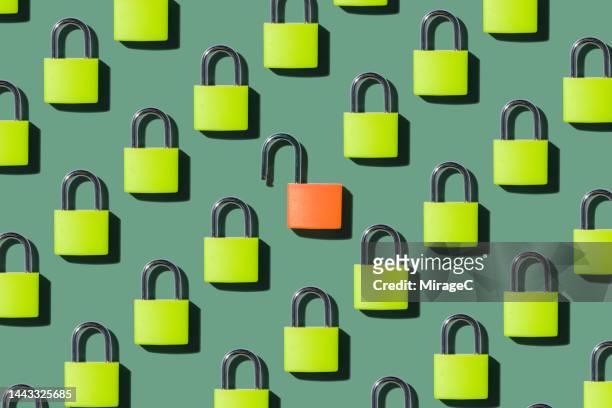
We often take for granted the necessity of archiving our human history and information. It is imperative to have an articulate record of our existence for future generations to learn from, so that they may both reminisce and advance as a species. Archives are beacons of memory and secrecy. They are also significant from a social and political standpoint. The topic of open access is always relevant. How much individual liberty should we sacrifice for the collective good of the community? How much should we as citizens know and have access to? Can we trust our institutions to remain vigilant in keeping our digital privacy a priority in a society dominated by “tech giants” coveting our online data?
Archives are in a strange position in which they have to balance all of these issues with great responsibility and sensitivity. They are witness to (no pun intended) many forensic and judicial documents that are incredibly delicate and contain information that could affect real people currently. The archive must harmonise between “the informational rights of private citizens” and “the complete anonymity of legal and forensic sources.”
This must be done while also tackling the everlasting battle between the archive itself and rapidly developing technology. As mentioned in the article, “archivists are not able to foresee the impact of technological changes on issues related to privacy.” There is almost a sense of a game of “catch-up” where archivists are reacting to changes more so than being proactive. Add to this mix the aforementioned ravenous “tech giants” and the work of an archivist seems borderline herculean.
“Public interest archives are in the business of serving the public good by sustaining ethical, political, and scholarly principles, even when these principles might conflict with each other.” This is the crux of the archive. The responsibility of an archivist is grave, but while it seems to be a thankless profession, the work that they do will be undeniable proof of the human desire to do good despite the reward. Future generations will be able to understand themselves better and progress society due to the actions of archivists and those who fight to protect our privacy and interests in an increasingly materialistic world.